Jori Britt • UI/UX
Compact Mode
Lead Product Designer | Weave | Oct 2025
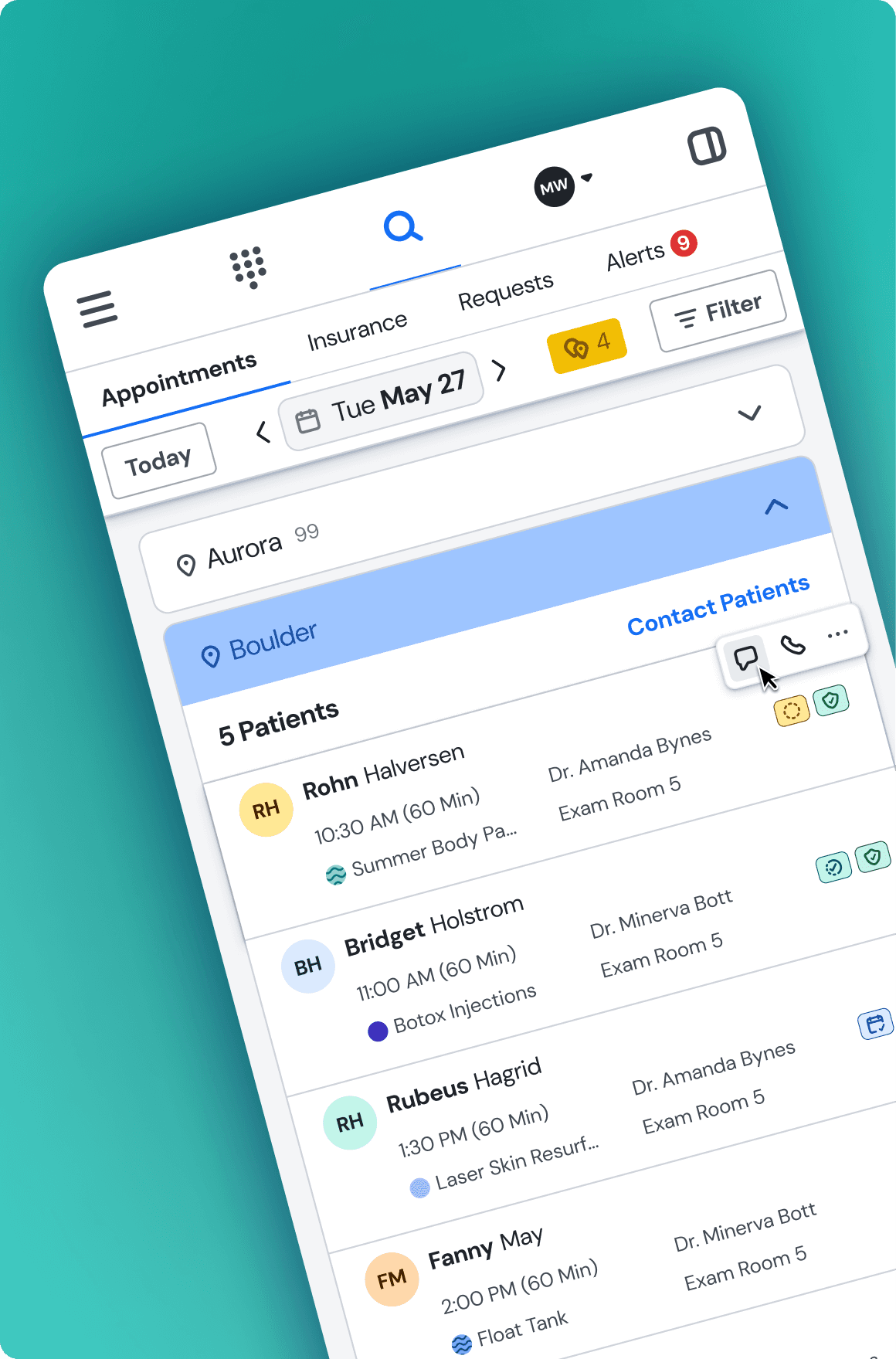
When New Weave launched in May 2024, we discovered a critical oversight. A significant portion of users worked in narrow windows (350-400px) docked alongside practice management software, but we'd optimized for full-screen experiences.
Usage data revealed compact mode users showed 30-40% lower feature adoption and generated 2x more support tickets. Session recordings showed struggles with navigation, excessive scrolling, and broken interactions.
Goal: Systematically optimize the narrow-width experience before forcing thousands of users to migrate from the legacy app.
My Approach
I led a comprehensive audit of compact mode, reviewing session recordings and analyzing support tickets. I documented 23 critical issues (navigation confusion, spatial inefficiency, broken interactions) with video evidence and proposed solutions for each.
The core insight: we'd designed desktop-first and scaled down. Elements technically fit at 350px but weren't functional. I needed to redesign from a mobile-first mindset, starting at the narrowest constraint and progressively enhancing upward.
I established new principles: predictable navigation, maximized information density without sacrificing readability, and interactions that feel natural at narrow widths. Some desktop patterns simply wouldn't translate and needed alternatives.
What Went Wrong
We'd tested full-screen during development and assumed responsive breakpoints meant usability. We were wrong.
The message inbox showed only 2-3 threads compared to 6-8 in legacy. Message threads dedicated 70% of space to header UI, leaving 30% for actual messages. Users got lost navigating. Pop-out windows layered confusingly.
We'd also assumed narrow-width users were a minority. Analytics proved this was a primary use case we'd deprioritized.
The Results
Phase 1 navigation changes showed immediate improvement. Users could navigate without getting lost, the back button worked predictably, and there was a clear starting point. Support tickets began trending downward.
"I dislike the new Weave app. I miss the simplicity of the small app."
This pre-optimization feedback captured the frustration. Post-optimization showed positive sentiment shifts.
Impact after Phases 1-2:
60% more message threads visible without scrolling
2x more message history visible in thread view
Clear navigation model established
Full metrics will be available once Phases 3-4 complete in Q1 2026, targeting 50% reduction in support tickets and task completion time parity with legacy.
Key Learnings
The MVP we should have built
Perfect compact mode first (3-4 months)
Add desktop-optimized features (2-3 months)
Validate before forcing migration (1-2 months)
Saved time: 8+ months of post-launch rework
What changed my practice:
I now start all design work at the narrowest required breakpoint. I test in realistic contexts (docked windows, split attention, interruptions) instead of maximized browsers. I validate usage pattern assumptions with analytics before committing to directions. I'm explicit about features requiring more space rather than compromising narrow experiences.
Bottom Line
Responsive design isn't just about breakpoints. It's about designing intentionally for each size, starting with the most constrained.
We shipped a technically responsive interface that was functionally broken for a significant user segment. This systematic optimization transformed compact mode from a liability into a foundation for successful migration.
The lesson: design for actual usage patterns, not ideal scenarios.

